English







Last updated: June 26, 2026
Quick Answer
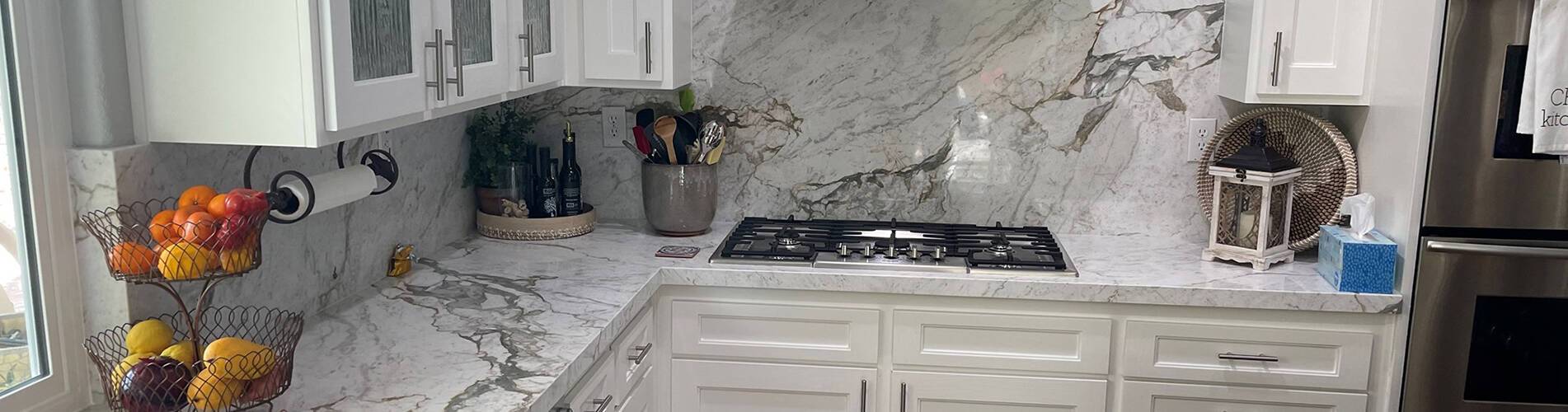
Sintered stone is a man-made mineral surface made by pressing and firing natural mineral-based materials at high temperatures. It is commonly used for slabs, countertops, wall panels, flooring, table tops and commercial interiors because it offers low water absorption, heat resistance, stain resistance and large-format design flexibility.
Sintered stone has become one of the most popular surface materials for modern interiors, kitchen countertops, bathroom vanities, wall panels, flooring, furniture, and commercial projects. It combines the visual appeal of natural stone with the performance benefits of an engineered surface, making it suitable for many residential and architectural applications.
But what exactly is sintered stone? How is it different from porcelain, quartz, marble, or Dekton? And how should you choose the right sintered stone slabs for your project?
This guide explains the material, its key features, common applications, pros and cons, and how to select the right product based on size, thickness, finish, fabrication needs, and supplier capability.
What Is Sintered Stone?
Sintered stone is an engineered surface material made from natural minerals that are compressed and fired at extremely high temperatures. Through this advanced sintering process, mineral particles bond together to form a dense, durable, and low-porosity slab.
Unlike natural stone, sintered stone is not cut directly from a quarry. It is manufactured into large-format slabs with controlled colors, textures, thicknesses, and surface finishes. It can reproduce the look of marble, granite, limestone, concrete, solid colors, and other decorative surfaces.
Sintered stone is commonly used for kitchen countertops, bathroom vanities, wall panels, flooring, tabletops, backsplashes, furniture surfaces, doors, and commercial interiors.
In simple terms, sintered stone is a man-made mineral surface designed to offer the beauty of stone with stronger performance, more consistent slab production, and wider design flexibility.
| Core Fact | Sintered Stone Details |
|---|---|
| Material type | Engineered mineral surface |
| Main raw materials | Natural mineral-based materials such as stone powder, clay, feldspar and silica-based components |
| Manufacturing process | High-pressure pressing and high-temperature sintering |
| Common product forms | Large-format slabs, wall panels, countertops, vanity tops, table tops and furniture surfaces |
| Main properties | Low water absorption, heat resistance, stain resistance, dense structure and design flexibility |
| Common applications | Kitchens, bathrooms, walls, floors, furniture, commercial counters, hotels and retail interiors |
How Is Sintered Stone Made?
Sintered stone is made by combining natural mineral-based raw materials such as stone powder, clay, feldspar, silica-based materials, and other inorganic components. These materials are pressed under high pressure and then fired at very high temperatures.
This process is called sintering. During sintering, the mineral particles are fused together without relying on traditional resin binders. The result is a compact surface with low water absorption, high density, and strong resistance to daily wear.
The surface appearance can be created through digital printing, glaze technology, full-body patterns, textured finishes, or other surface treatments. This allows sintered stone slabs to achieve marble-like veining, stone textures, concrete effects, metallic looks, matte colors, polished finishes, and more.
The key point is not just how sintered stone is made, but why the process matters. Because of its dense structure, sintered stone can perform well in demanding spaces such as kitchen countertops, bathroom walls, commercial counters, flooring, facades, tabletops, and large wall cladding projects.
For more details on slab structure, sizes, and technical selection, read our guide to sintered stone slab sizes.
Key Features of Sintered Stone
Sintered stone is valued because it combines practical performance with strong visual design flexibility. Below are the main features that make it suitable for both residential and commercial projects.
Durability
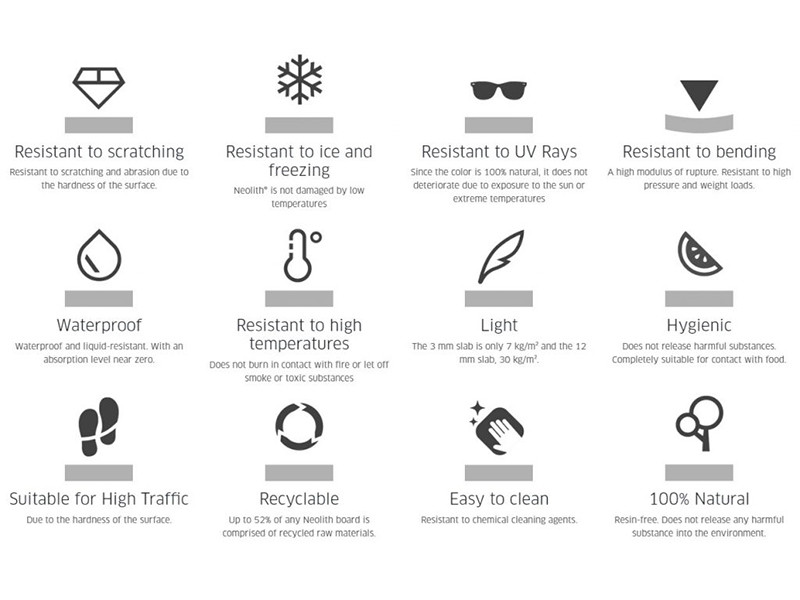
Sintered stone is designed for high-use surfaces. Its dense structure helps it resist daily wear, light scratching, abrasion, and general surface damage better than many traditional decorative materials.
This makes it suitable for kitchen countertops, bathroom vanities, tabletops, wall panels, flooring, and commercial interiors where the surface may be used frequently.
However, no surface material is completely indestructible. Proper fabrication, transportation, installation, support, and daily use still matter, especially for edges, corners, cutouts, and large-format slabs.
Heat Resistance
Sintered stone is often chosen for kitchen and commercial countertop applications because of its strong heat resistance. It can perform well near cooking areas, backsplashes, kitchen islands, and other spaces where heat exposure may occur.
This is one reason many users compare sintered stone countertops with quartz, marble, granite, and porcelain countertops.
Even so, the final performance of a countertop also depends on slab thickness, installation quality, edge design, support structure, and the supplier’s technical recommendations.
Stain Resistance
Because sintered stone has a dense, low-porosity surface, it is less likely to absorb common stains from food, beverages, cosmetics, and daily household use.
This makes it attractive for kitchens, bathrooms, restaurants, hotels, reception counters, and retail interiors. Daily cleaning is usually simple with mild detergent, water, and a soft cloth.
Avoid using highly corrosive chemicals, harsh abrasives, or improper cleaning tools unless your supplier confirms that they are suitable for the specific surface finish.
Low Water Absorption
Low water absorption is one of the key reasons sintered stone is used in wet or semi-wet areas such as bathroom walls, shower surrounds, vanities, kitchen backsplashes, laundry rooms, and commercial wash areas.
Compared with some natural stones, sintered stone generally requires less sealing and is easier to maintain in spaces where moisture is common.
For bathroom and wall applications, read our sintered stone wall panels guide.
Large-Format Design
Sintered stone is often manufactured in large-format slabs. Large slabs help reduce visible joints and create a more continuous visual effect across countertops, feature walls, flooring, furniture, and commercial interiors.
This is especially useful for:
- kitchen islands
- full-height backsplashes
- bathroom wall panels
- hotel lobby walls
- retail counters
- dining tables
- office reception desks
- commercial flooring
Large-format slabs also make it easier to create a clean, modern, and architectural look.
Design Versatility
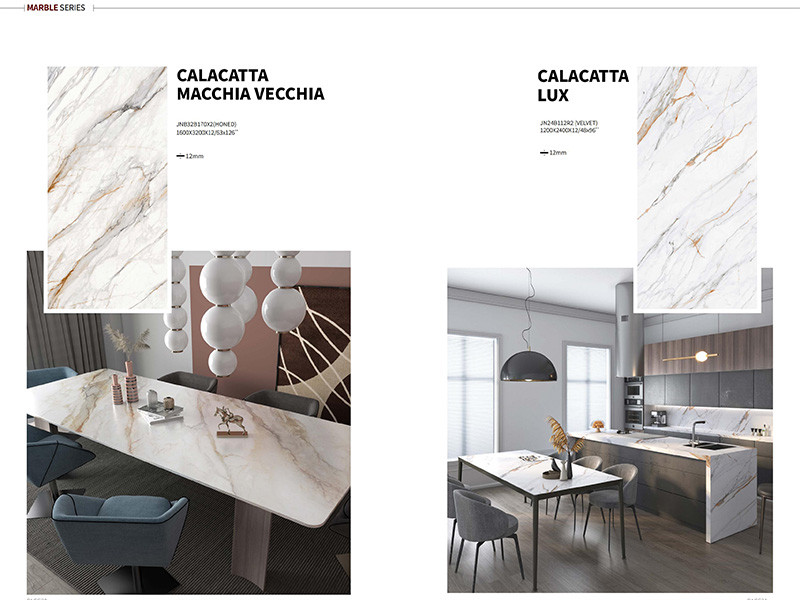
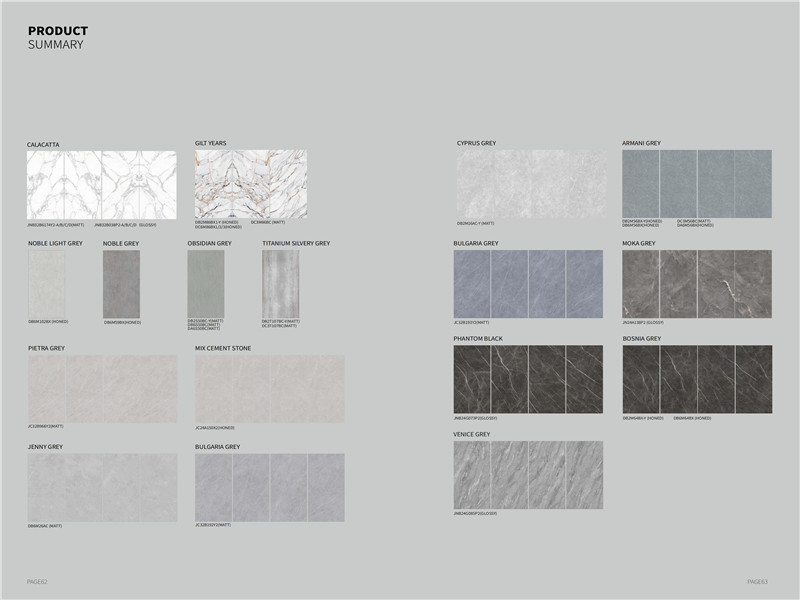
Sintered stone can be produced in many colors, textures, and finishes. Popular options include marble look, Calacatta look, concrete look, stone look, solid color, terrazzo look, metallic effect, matte finish, polished finish, and textured finish.
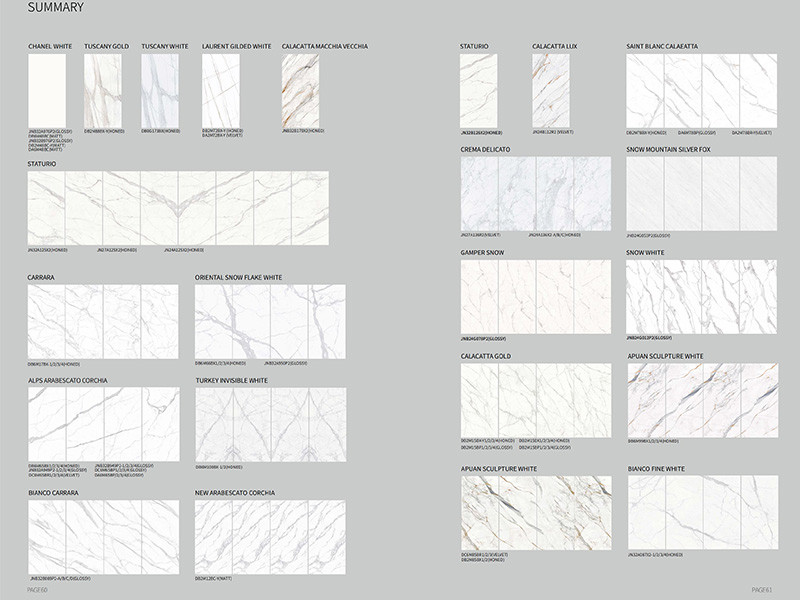
This design flexibility allows sintered stone to be used in different interior styles, from luxury residential kitchens to minimalist bathrooms, hotel interiors, restaurants, retail stores, and commercial furniture.
Explore available designs in our sintered stone slabs collection.
What Are Sintered Stone Slabs?
Sintered stone slabs are large-format panels made from sintered stone. The term “slab” refers to the product form, not a different material.
These slabs are used for countertops, wall panels, flooring, tabletops, bathroom vanities, cabinet doors, commercial counters, and architectural surfaces. Depending on the project, users usually compare slab size, thickness, finish, color, pattern, weight, edge processing, and fabrication requirements.
Large-format sintered stone slabs are especially useful when the design requires fewer seams and a more continuous appearance. For example, one large slab can be used for a kitchen island, a full-height backsplash, a shower wall, a reception counter, or a feature wall.
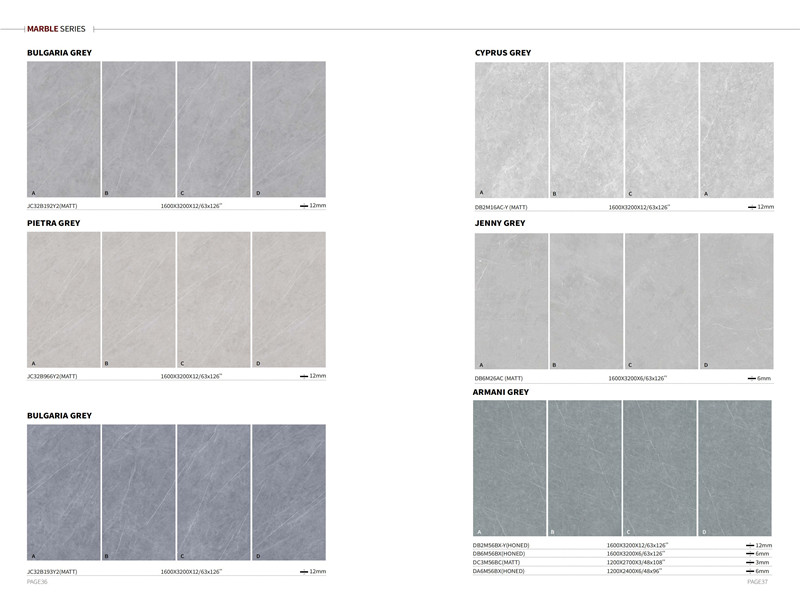
When choosing sintered stone slabs, the most important questions are:
- What is the application?
- What slab size is needed?
- What thickness is suitable?
- What surface finish works best?
- Does the project require cutting, edge polishing, holes, curves, or special fabrication?
- Is the supplier able to support packaging, transportation, and customization?
View our available sintered stone slabs or visit the online sintered stone showroom.
Are Sintered Stone Countertops a Good Choice?
Yes, sintered stone countertops can be a good choice for kitchens, bathrooms, islands, backsplashes, commercial counters, and worktops. The material is valued for its heat resistance, stain resistance, low water absorption, design flexibility, and modern large-format appearance.
For kitchen countertops, sintered stone is often compared with quartz, marble, granite, and porcelain. It can offer strong resistance to daily stains and heat, while also providing a wide range of marble-look, concrete-look, and solid-color designs.
Sintered stone is especially suitable for:
- kitchen countertops
- kitchen islands
- bathroom vanities
- commercial counters
- restaurant worktops
- hotel reception desks
- backsplashes
- laundry room countertops
However, sintered stone countertops require professional fabrication and installation. Large slabs must be handled carefully, and edge design, sink cutouts, corner details, support structure, and seam treatment all affect the final result.
If fabrication is poor, edges may chip or crack under impact. This does not mean sintered stone is weak, but it does mean the supplier, fabricator, and installer must understand how to handle the material correctly.
For countertop-specific selection, read our sintered stone countertops guide. For pricing factors, see the sintered stone price guide.
Common Applications of Sintered Stone
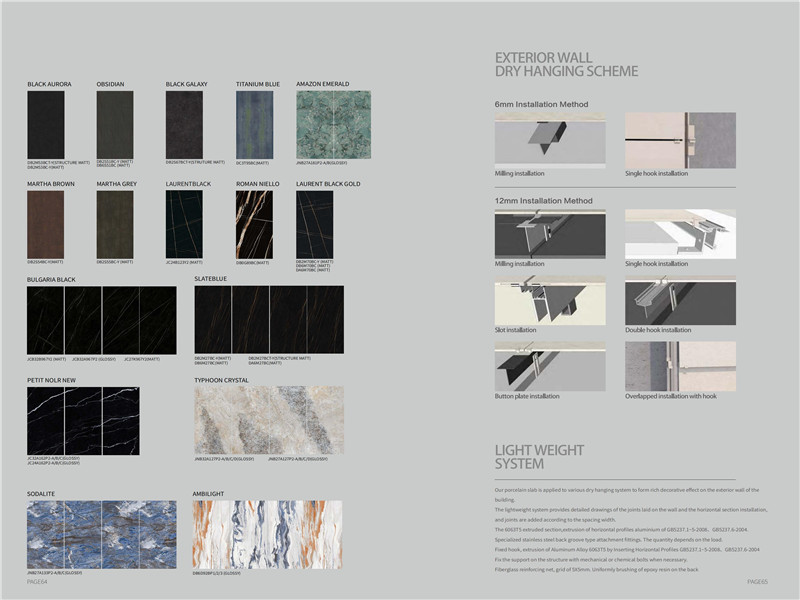
Sintered stone is not only used for countertops. Because of its durability, low water absorption, large-format design, and wide visual range, it can be used in many interior and exterior applications.
Kitchen Countertops
Kitchen countertops are one of the most common uses of sintered stone. The material works well for islands, worktops, backsplashes, side panels, and integrated kitchen surfaces.
Its heat resistance, stain resistance, and easy cleaning make it suitable for both residential kitchens and commercial food-related spaces.
Learn more about sintered stone kitchen countertops.
Backsplashes
Sintered stone backsplashes can create a seamless or near-seamless look behind kitchen counters, bathroom vanities, or commercial service counters.
Large slabs are especially useful for full-height backsplashes because they reduce grout lines and create a clean visual effect.
Wall Panels
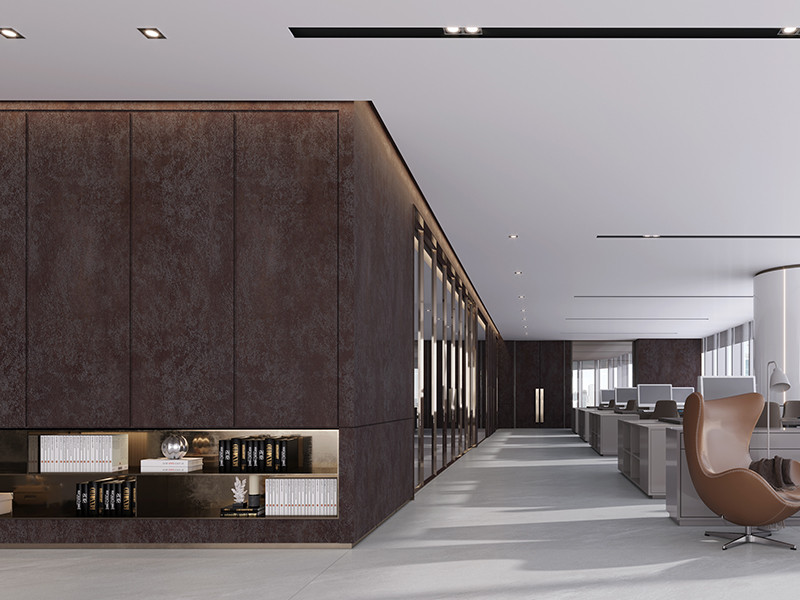
Sintered stone wall panels are used in bathrooms, living rooms, hotel lobbies, restaurants, offices, retail spaces, and commercial interiors.
They can reproduce the look of natural marble or stone while offering easier maintenance and large-format coverage.
See more options for sintered stone wall panels.
Flooring
Sintered stone can be used for flooring in residential and commercial spaces, depending on the selected thickness, finish, slip resistance, and installation system.
It is often selected for modern interiors where designers want a durable surface with a stone-like visual effect.
Table Tops
Sintered stone is also used for dining tables, coffee tables, office desks, restaurant tables, and custom furniture surfaces.
Its low water absorption, stain resistance, and design flexibility make it suitable for furniture manufacturers and wholesale table top projects.
Explore sintered stone table top options.
Bathroom Vanities
Bathroom vanities and vanity tops benefit from sintered stone’s low water absorption, easy cleaning, and resistance to everyday stains from cosmetics, soap, and moisture.
Marble-look sintered stone is especially popular for luxury bathroom designs.
Commercial Projects
Hotels, restaurants, offices, shopping malls, retail stores, and public interiors often use sintered stone for reception desks, feature walls, counters, flooring, tabletops, and decorative panels.
Its large-format appearance and consistent design make it useful for projects that require both durability and visual impact.
View sintered stone products for commercial projects.
Curved Applications
Some sintered stone products can be used in curved or special-shaped applications with advanced processing technology. This requires specialized fabrication and should be evaluated case by case.
Sintered Stone vs Porcelain, Marble, Quartz and Dekton
Many users compare sintered stone with porcelain, marble, quartz, granite, and Dekton. These materials may look similar in some applications, but they are not always the same in composition, performance, fabrication, maintenance, and brand positioning.
The table below gives a simple comparison.
| Material | Main Difference from Sintered Stone | Best For |
|---|---|---|
| Porcelain | Porcelain and sintered stone can be similar in appearance and production logic, but thickness, application range, body structure, and market positioning may differ | Wall panels, flooring, lightweight surfaces, some countertops |
| Marble | Marble is natural stone with unique veining, but it usually requires more maintenance and sealing | Luxury decoration, natural stone preference, feature surfaces |
| Quartz | Quartz is widely used for countertops, but heat resistance and outdoor suitability need careful comparison | Kitchen countertops, bathroom vanities, commercial counters |
| Dekton | Dekton is a branded ultra-compact surface often compared with sintered stone | High-end countertops, wall panels, outdoor surfaces |
| Granite | Granite is natural and durable, but color consistency and sealing requirements differ | Traditional countertops, natural stone projects |
This section is only a starting point. For deeper material comparisons, read:
- sintered stone vs porcelain
- sintered stone vs marble
- sintered stone vs quartz
- Dekton alternative
- Dekton vs Neolith
Pros and Cons of Sintered Stone
Like any surface material, sintered stone has both advantages and considerations. Understanding both sides helps you decide whether it is suitable for your project.
Pros of Sintered Stone
- Durable surface: suitable for high-use areas such as countertops, commercial counters, wall panels, floors and tabletops.
- Heat resistance: performs well in kitchen and commercial environments where heat exposure may occur.
- Stain resistance: dense surface helps resist common stains from food, beverages, cosmetics and daily use.
- Low water absorption: suitable for kitchens, bathrooms, wall panels, vanities and wet areas.
- Low maintenance: daily cleaning is usually simple with mild detergent, water and a soft cloth.
- Large-format visual effect: large slabs help reduce seams and create a clean, continuous design.
- Wide design options: can reproduce marble, stone, concrete, solid color and other modern surface styles.
- Multiple applications: can be used for countertops, walls, floors, furniture, vanities, commercial interiors and outdoor-related projects depending on specifications.
Cons and Considerations of Sintered Stone
- Professional fabrication is required: cutting, edge finishing, sink cutouts and installation should be handled by experienced fabricators.
- Edges may chip if poorly processed: improper fabrication, transportation or impact on exposed edges may cause chipping.
- Large slabs need careful transportation: packaging, loading, unloading and handling are important for large-format slabs.
- Price varies by specification: cost depends on slab size, thickness, design, finish, fabrication, installation, customization and supplier capability.
- Supplier capability matters: choosing a supplier with product range, project experience, technical support, packaging and export capability is important.
- Repair can be difficult: if a slab is severely damaged, repair may be more complicated than with some traditional materials.
For more guidance, read our sintered stone price guide and sintered stone supplier guide.
How to Choose the Right Sintered Stone
Choosing the right sintered stone depends on your application, slab size, thickness, finish, color, fabrication requirements, and supplier support. A product that works well for a wall panel may not be the best choice for a kitchen island or commercial table top.
1. Application
Start with the application. Countertops, wall panels, floors, tabletops, vanities, doors, and outdoor surfaces all have different technical requirements.
For example, a kitchen countertop may require stronger edge processing and cutouts, while a wall panel may prioritize large-format design and reduced seams.
2. Slab Size
Large slabs are useful when you want fewer joints and a more continuous visual effect. They are often chosen for kitchen islands, feature walls, bathroom walls, commercial counters, and reception desks.
View available large-format sintered stone slabs.
3. Thickness
Thickness should be selected based on the application. Countertops, furniture tops, wall panels, flooring, and cabinet doors may require different slab thicknesses.
For detailed recommendations, see our sintered stone slab size and thickness guide.
4. Surface Finish
Common finishes include polished, matte, honed, textured, structured, and other special finishes. Finish affects appearance, touch, cleaning, slip resistance, and application suitability.
For kitchens and bathrooms, cleaning and stain resistance are especially important. For flooring, slip resistance should also be considered.
5. Color and Pattern
Sintered stone is available in marble look, concrete look, stone look, solid color, terrazzo look, metallic effect, and other decorative styles.
Choose the design according to the overall space, cabinet color, lighting, flooring, wall tone, and furniture style.
Explore our sintered stone product collection.
6. Fabrication Ability
If your project requires cutting, sink holes, curved shapes, edge polishing, mitred edges, bookmatching, furniture panels, or special installation details, supplier and fabricator capability becomes very important.
Do not choose based only on surface pattern. The ability to fabricate and install correctly is just as important as the slab itself.
7. Supplier Capability
A good supplier should offer more than product photos. You may need information about slab size, thickness, finish, packing, samples, lead time, project experience, customization, export ability, and technical support.
If you are sourcing for a project, distributor, contractor, or furniture manufacturer, read our sintered stone supplier guide or request a quote.
FAQ About Sintered Stone
Is sintered stone natural or man-made?
Sintered stone is man-made, but it is usually produced from natural mineral-based raw materials. These materials are pressed and fired at high temperatures to create a dense engineered surface. It is not quarried like natural marble or granite.
Is sintered stone good for countertops?
Yes, sintered stone can be a good countertop material because it is heat resistant, stain resistant, dense, and easy to clean. However, it requires proper thickness selection, edge processing, support, transportation, and professional installation.
Is sintered stone better than porcelain?
Sintered stone is not always simply “better” than porcelain. The two materials may be similar in some ways, but performance depends on slab thickness, body structure, application, surface finish, fabrication, and supplier quality. For a deeper explanation, read sintered stone vs porcelain.
Is sintered stone better than quartz?
Sintered stone may offer advantages in heat resistance, low water absorption, and some outdoor-related applications. Quartz is still very popular for traditional kitchen countertops and has a mature countertop market. The better choice depends on your project needs. Read more in sintered stone vs quartz.
Can sintered stone be used for wall panels?
Yes, sintered stone can be used for wall panels in bathrooms, living rooms, hotels, restaurants, offices, retail spaces, and commercial interiors. Large-format slabs help reduce joints and create a clean architectural appearance.
What are sintered stone slabs used for?
Sintered stone slabs are used for countertops, wall panels, flooring, tabletops, bathroom vanities, cabinet doors, commercial counters, reception desks, backsplashes, and furniture surfaces.
Is sintered stone expensive?
Sintered stone price depends on size, thickness, design, finish, fabrication, installation, packaging, customization, and supplier capability. For a more detailed breakdown, see our sintered stone price guide.
How do you clean sintered stone?
For daily cleaning, use water, mild detergent, and a soft cloth. Avoid harsh abrasives, strong corrosive chemicals, or unsuitable cleaning tools unless your supplier confirms they are safe for the specific finish.
Can sintered stone be used outdoors?
Many sintered stone products can be used outdoors, but you should confirm UV resistance, thickness, installation system, climate suitability, and supplier recommendations before choosing a product for facades, terraces, outdoor kitchens, or exterior walls.
Where can I buy sintered stone slabs?
You can view available products in our sintered stone slabs collection or contact us for slab size, thickness, finish, sample, catalog, and quotation information.
Conclusion: Sintered Stone as a Modern Surface Solution
Sintered stone is a modern engineered surface material made from mineral-based raw materials through high-pressure and high-temperature sintering. It offers durability, heat resistance, stain resistance, low water absorption, large-format design, and strong visual flexibility.
It can be used for countertops, slabs, wall panels, flooring, tabletops, vanities, backsplashes, commercial interiors, and selected outdoor applications.
For users who are just starting to learn about the material, this page provides the foundation. The next step is to choose the right product based on application, slab size, thickness, finish, fabrication needs, and supplier capability.
Explore our sintered stone slabs, compare sintered stone countertops, or request a quote for your project.