English




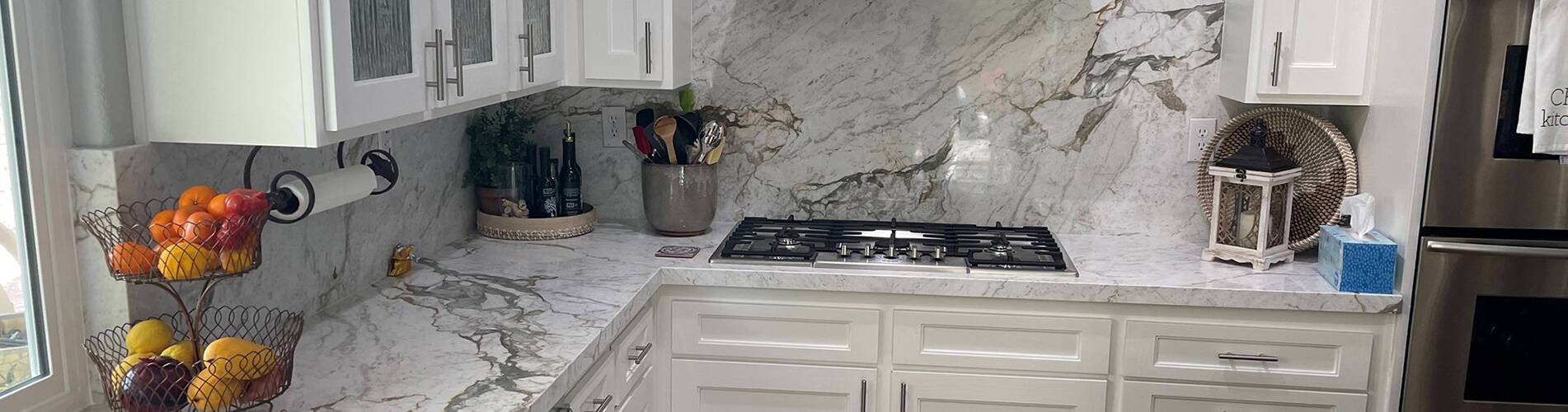
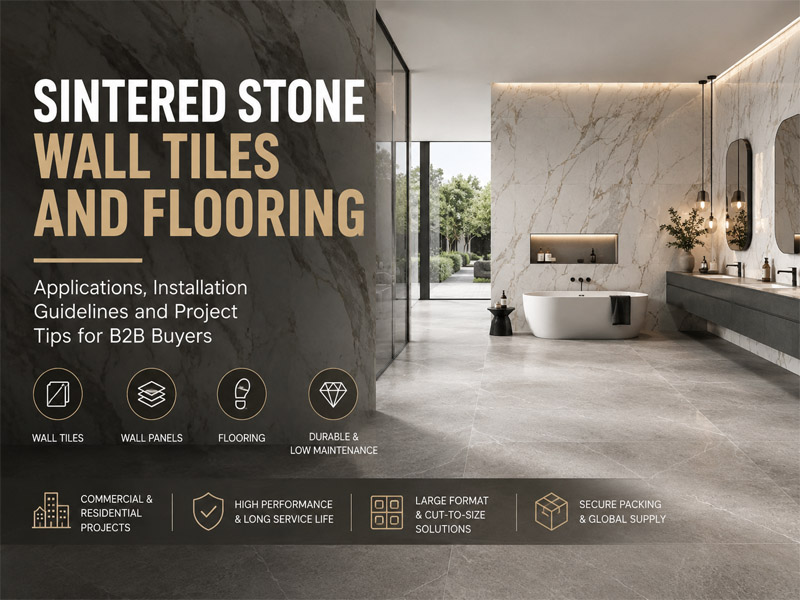
Quick Answer Sintered stone can be used for wall tiles and flooring, but walls and floors need different selection logic. Wall tiles focus on size, joints, wall flatness, moisture resistance and visual effect. Flooring must consider slip resistance, traffic level, surface finish, substrate flatness and installation risk. For standard budget wall or floor areas, porcelain tile may still be p...
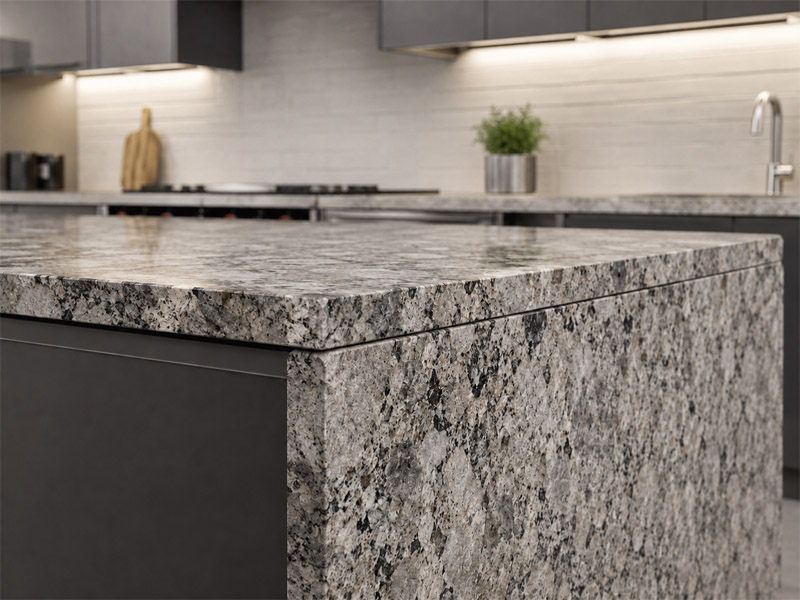
Quick Answer For most imported granite slab orders, 20mm and 30mm are the two main thicknesses to compare. We normally recommend 20mm granite slabs for standard countertop production because they use less stone, cost less and provide better container efficiency. They are suitable for regular kitchen countertops, vanity tops and local fabrication when the finished pieces have normal-sized openings ...
Quick Answer A marble dry lay inspection is an inspection of relationships. Finished pieces are laid out dry, in the positions the drawing gives them, so you can see what they look like as one surface instead of as a stack of individually passed QC results. Which orders that is worth doing on, and which it only buys handling on, is the narrower question below. On projects that use a physical dry l...
Quick Answer Resin in a marble slab is a statement about what the stone needed, not about what the stone is worth. On many marbles, filling is the normal way the material is made usable at all, and the presence of resin says less about quality than which marble you are looking at. The question that does work is whether the fill matches the material rather than how much of it there is, and the marb...
Quick Answer Buying direct starts to make sense when your marble demand becomes predictable: you reorder the same varieties, need several varieties in one shipment, want control over the actual slabs, or have enough project volume to justify buying closer to the source. A local slab yard still has the advantage when you need a few slabs quickly and do not want to carry inventory. The practical dec...
Quick Answer By the time this decision comes up, the material is usually settled and the drawings already exist. The question is whether to ship slabs and fabricate them locally, or send the drawings to the supplier and receive finished cut-to-size pieces. For projects with reasonably stable drawings, we usually prefer fabrication at origin when the stone is sourced in Shuitou, China. Material sel...
Excellent Stone manufactures custom waterjet marble medallions and inlays from finished shop drawings. If you have a reference image or an initial design concept, we can discuss the pattern, stone combinations and customization options before the design is finalized. Natural veining, decorative borders, pattern details and surrounding floor tiles all affect the finished appearance and quotation. O...
Quick Answer Most buyers don't need a brand-new mosaic. They need their range to do one more job. If a Carrara Basketweave already sells and you want a fresh color, ask for green dots instead of black. Same pieces, same layout: a new product with no new cutting. If your customers tile large floors or walls, the same hexagon in 50 mm instead of 25 mm looks calmer and shows more of the marble. That ...
Quick Answer Compare marble and cast stone one column at a time, and cast stone usually wins on price. For a facade full of identical cornices and balusters, it should. But that comparison treats a column as a shape, and cast stone can copy a shape. It can't copy the stone. Inside, a green or veined marble column can come back in the floor border, around a doorway, along the skirting. That's what ...
Categories
New Blog
 ROOM 205,NO.45, MIDDLE HAIJING ROAD,XIAMEN,AREA OF PILOT FREE TRADE ZONE(FUJIAN)OF CHINA
For inquiries about our products or pricelist, please leave to us and we will be in touch within 24 hours.



© Copyright: 2026 XIAMEN EXCELLENT STONE CO.,LTD. All Rights Reserved.

IPv6 network supported